
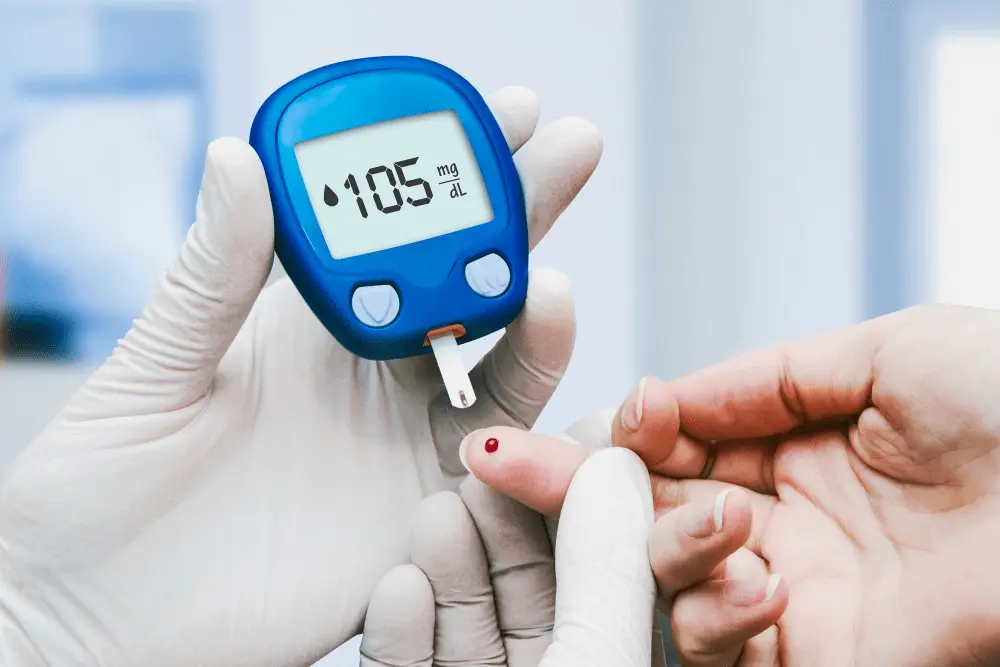
Prediabetes is a condition in which blood sugar level is higher than normal but not yet high enough to be classified as type 2 diabetes. This condition usually has no symptoms, but without medical intervention, it can progress to type 2 diabetes.
Prediabetes is a condition in which blood sugar levels are higher than normal but still not classified as type 2 diabetes. In the absence of proper treatment and management, prediabetes can lead to type 2 diabetes and other serious health problems such as heart disease and stroke. In this article, we will examine the symptoms, causes, prevention method, and treatment of prediabetes.
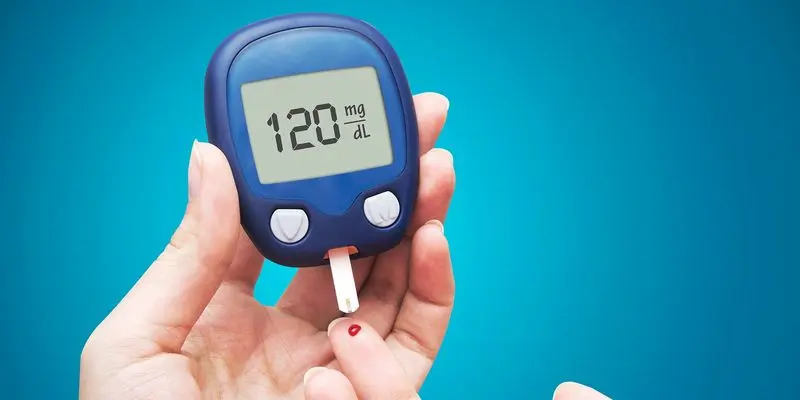
What Is Prediabetes?
Prediabetes, also known as intermediate hyperglycemia, is a condition where blood sugar levels are higher than normal but not high enough to be diagnosed. This stage is like a serious warning bell for your health. Without proper diagnosis and management, the chance of it progressing to type 2 diabetes is very high.
Typically, fasting blood sugar level are between 70 and 100 mg/dL in the normal range. A fasting blood sugar level between 100 and 125 mg/dL indicates prediabetes, while level above 125 mg/dL are considered diagnostic of diabetes.

What Are the Causes of Prediabetes?!
Prediabetes occurs when blood sugar level is higher than normal but not yet high enough to be diagnosed as type 2 diabetes.
Prediabetes usually occurs due to the body’s cells becoming resistant to insulin. When this happens, excess glucose remains in the bloodstream instead of being absorbed into cells for energy. This leads to higher blood sugar levels. Normally, after eating, the pancreas releases insulin, a hormone that helps cells absorb glucose from the blood and use it for energy. This process plays an important role in keeping blood sugar levels low. In prediabetes, the body’s response to insulin becomes impaired—a condition known as insulin resistance.
The exact cause of insulin resistance is not fully known, but the studies showed genetic factors and lifestyle, particularly being overweight, obesity, and physical inactivity, play a key role.

How Is Prediabetes Diagnosed?
Diagnosing prediabetes is usually done by a blood test. Physicians use several standard laboratory methods to accurately assess blood sugar levels, each of which provides deferent information. These tests include the following:
Fasting Plasma Glucose (FPG) Test
In this test, blood sugar levels are measured after fasting for at least 8 hours, without consuming any food or drink except water. The results of this test are interpreted as follows:
- Normal blood sugar is less than 100 mg/dL is considered normal.
- Blood sugar level between 100 and 125 mg/dL is indicating prediabetes.
- Diabetes is diagnosed with FPG level of 126 mg/dL or higher.
Oral Glucose Tolerance Test (OGTT)
This test evaluates how the body responds to glucose after consuming sugar. First, blood sugar is measured after 10-12 hours of fasting. After fasting, a glucose-rich drink is consumed and blood sugar is tested two hours later. The results are interpreted as following:
- Normal blood sugar after two hours is less than 140 mg/dL
- Prediabetes: 140–199 mg/dL
- Diabetes: ≥ 200 mg/dL
Hemoglobin A1C Test
This test measures how the body responds to glucose after consuming sugar. First, blood sugar is measured after 10-12 hours of fasting, then the person drink s a drink containing glucose, and another blood sample is taken two hours later. Interpretation of the results is as follows
- Normal blood sugar after two hours is less than 140 mg/dL
- Prediabetes between 140 and 199 mg/dL
- Diabetes 200 mg/dL or more
Important Note:
It should also be noted that home blood sugar monitoring device or fingerstick glucose tests alone are not sufficient to diagnose prediabetes, and a definitive diagnosis is only possible with validated laboratory tests under the supervision of a physician.

Treatment for Prediabetes
There is no definitive cure for diabetes and prediabetes, but lifestyle changes can prevent or slow down its progression. In some cases, your doctor may prescribe medication, but it is important to note that medication is more effective when is combined with lifestyle changes.
Lifestyle modification includes the following:
- Healthy diet: Increasing consumption of vegetables and low-fat dairy, reducing red meat, sweets, sugary drinks, and refined grains
- Physical activity: At least 30 minutes of continuous daily exercise, such as walking
- Weight loss: Especially important for those who are overweight
- Stress management: Chronic stress can affect blood sugar levels.
- Quit smoking: Smoking increases diabetes risk
- Sleep: Quality and sufficient sleep support blood sugar regulation.
The best way to prevent and treat prediabetes is to change your lifestyle. Exercise, a healthy diet, low-carb, high-fiber diet, and weight loss go a long way toward treating prediabetes. If you have prediabetes, doctors usually recommend lifestyle changes. However, if these lifestyle changes aren’t enough, your doctor may prescribe medications to lower blood sugar, lose weight, control blood pressure, and lower cholesterol. The best treatment of diabetes is following a healthy lifestyle. A balanced diet and regular physical activity can help controlling blood sugar and prevent it from progressing to type 2 diabetes.

What Are the Symptoms of Diabetes?
Prediabetes is usually symptomless and often doesn’t show up until it develops into type 2 diabetes. However, some common signs of prediabetes include darkening of the skin in the armpits and neck, the development of skin tags, and eye changes.
If you notice symptoms such as extreme thirst, frequent urination, fatigue, blurred vision, or non-healing wounds, you should see a doctor as these may indicate prediabetes turning into type 2 diabetes.

In Conclusion
Prediabetes is a condition in which blood sugar levels are elevated but it is not turned into diabetes type 2. While it may not present symptoms, it can lead to type 2 diabetes if left untreated. Among common symptoms of prediabetes, skin hyperpigmentation, excessive thirst, fatigue and pollakiuria can be named. The best approach is prevention through lifestyle modification: a balanced diet, regular exercise, and maintaining a healthy weight. In some cases, medications may assist in slowing disease progression.


