
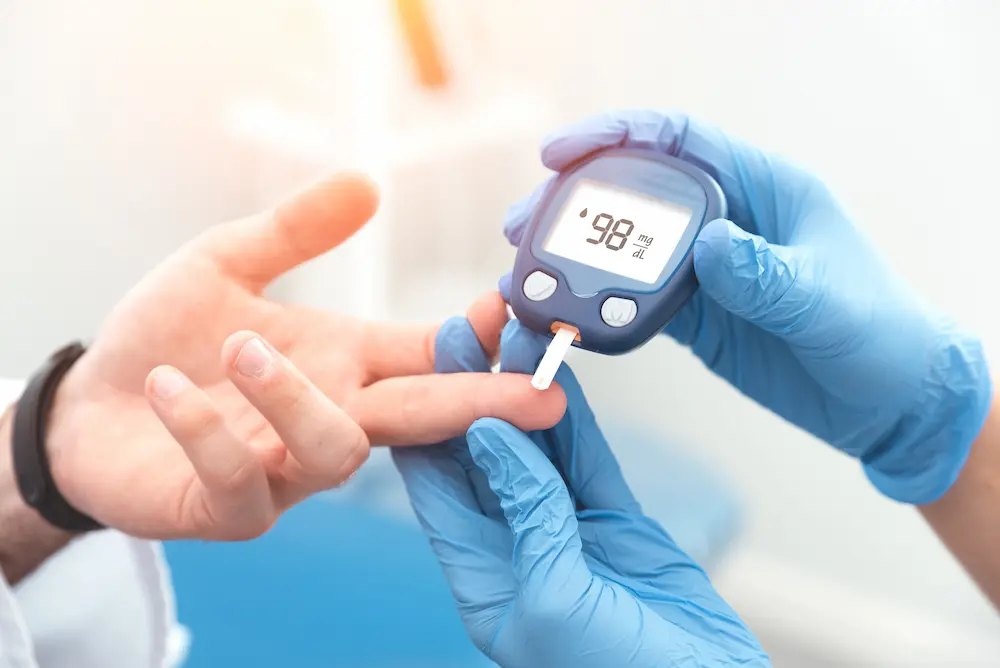
Diabetes is one of the most widespread chronic metabolic disorders worldwide. If left uncontrolled, it can gradually damage vital organs such as the heart, kidneys, eyes, and nervous system. This condition occurs when the body either loses its ability to produce enough insulin or when cells become resistant to insulin. As a result, blood glucose (sugar) levels rise, eventually leading to multiple complications in the body.
Given the sharp increase in the prevalence of diabetes in recent years across all age groups, understanding its symptoms, causes, different types, as well as prevention and treatment methods, is of great importance.
In this article from Vira Rahesh Pharmed website, we will provide a comprehensive overview of diabetes.

What is Diabetes?
Diabetes is one of the most common chronic and metabolic diseases in the world, and you have probably heard its name many times. But what exactly is diabetes, and how does it develop in the body?
Simply, diabetes is a condition in which the body either loses its ability to produce insulin or cannot use it effectively. Insulin is a vital hormone secreted by the pancreas that transfers glucose from the blood into the cells, where it is used as a source of energy.
In people with diabetes, this natural process of regulating blood glucose is disrupted for different reasons:
- The body does not produce enough insulin (as in Type 1 diabetes)
- The cells become resistant to insulin and do not respond effectively (as in Type 2 diabetes)
In both cases, glucose remains in the bloodstream, leading to chronically high blood glucose (sugar) levels. Over time, this can cause serious damage to vital organs such as the heart, kidneys, eyes, and nervous system.
Since diabetes has no definitive cure, early diagnosis and proper management are key to preventing serious complications and greatly improving quality of life.
Types of Diabetes
Diabetes is not limited to a single form; it can appear in several types depending on the condition of each individual’s body. Understanding these differences plays an essential role in prevention, diagnosis, and choosing the right treatment.
Generally, diabetes is divided into three main types, each with distinct clinical features and treatment approaches:
- Type 1 Diabetes
- Type 2 Diabetes
- Gestational Diabetes
In addition, there is a condition known as Prediabetes, where blood sugar levels are higher than normal but not yet at the threshold for diabetes. Prediabetes serves as a warning sign, indicating a higher risk of developing Type 2 diabetes in the future.
In the following sections, we will discuss each type of diabetes in detail to better understand the disease and the necessary steps for control or prevention.

Type 1 Diabetes
Type 1 diabetes, also known as insulin-dependent diabetes, is a chronic autoimmune condition in which the pancreas loses its ability to produce insulin or its secretion is severely reduced. Since insulin is vital for regulating blood sugar levels, its absence prevents glucose from entering the cells, leading to high blood sugar (hyperglycemia).
Type 1 diabetes is most often diagnosed in children and adolescents, but it can occur at any age. Although it is less common than Type 2 diabetes, it accounts for about 5–10% of all diabetes cases.
Currently, there is no effective way to prevent Type 1 diabetes. However, patients can manage the condition and maintain their quality of life by following these principles:
- Regular use of insulin prescribed by a doctor
- Maintaining a healthy and balanced diet
- Engaging in appropriate physical activity
- Continuous blood glucose monitoring
- Regular medical check-ups
If you or your child has Type 1 diabetes, having the right knowledge and following a structured care plan is crucial to preventing long-term complications.
For more details about the symptoms, causes, and management of Type 1 diabetes, we recommend reading our full article dedicated to this condition
Type 2 Diabetes
Type 2 diabetes is the most common form of diabetes and is closely linked to lifestyle, diet, and body weight. Unlike type 1 diabetes, the body in type 2 diabetes can still produce insulin, but the cells do not respond properly to it—a condition known as insulin resistance. As a result, glucose cannot effectively enter the cells and builds up in the bloodstream. In advanced stages of the disease, insulin production may also decrease.
This disruption leads to elevated blood glucose levels, and if left undiagnosed or uncontrolled, it can result in serious complications such as damage to the heart, kidneys, eyes, and nervous system.
Type 2 diabetes is a chronic but manageable condition. While there is no permanent cure, it can be effectively controlled through lifestyle changes. Key management strategies include:
- Following a healthy, low-carbohydrate diet
- Engaging in regular physical activity such as walking or aerobic exercise
- Losing excess weight and maintaining an ideal body weight
- Monitoring blood sugar levels regularly
- In some cases, using oral diabetes medications or insulin therapy
In the early stages, blood sugar may be controlled through lifestyle modifications alone. However, if proper control is not achieved, a doctor may prescribe anti-diabetic medications or even insulin.
If you have risk factors for type 2 diabetes or notice symptoms such as excessive thirst, persistent fatigue, frequent urination, or unexplained weight changes, it is strongly recommended to consult a doctor promptly and take preventive or early diagnostic measures.

Gestational Diabetes
Gestational diabetes is a type of diabetes that develops during pregnancy, usually in women who had no history of diabetes before. In this condition, hormones released by the placenta can reduce the cells’ sensitivity to insulin—in other words, the body becomes resistant to insulin.
To compensate, the body typically increases insulin production to keep blood sugar within the normal range. However, in some women, this response is not sufficient, leading to elevated blood sugar levels. This condition is known as gestational diabetes.
An important point to note is that gestational diabetes often appears without clear symptoms and is usually detected during routine pregnancy screenings. For this reason, regular medical check-ups and screening tests during pregnancy are especially important.
Fortunately, in most cases, gestational diabetes can be managed with lifestyle adjustments. Effective measures include:
- Following a balanced, low-carbohydrate diet
- Engaging in appropriate physical activity during pregnancy
- Regularly monitoring blood sugar levels
- If necessary, taking medication or insulin under a doctor’s supervision
If gestational diabetes is not properly controlled, it may lead to complications such as excessive fetal growth, premature delivery, or an increased risk of the child developing diabetes later in life. Therefore, adhering to medical advice, maintaining a suitable diet, and continuous monitoring of blood sugar are essential.
Prediabetes
Prediabetes is a condition that may be less familiar to some people, but it plays a very important role in preventing Type 2 diabetes. In this state, a person’s blood sugar level is higher than normal but not yet high enough to be diagnosed as diabetes based on medical criteria. For this reason, prediabetes is sometimes referred to as borderline diabetes.
This condition is a serious warning sign for metabolic health, as it indicates the beginning of impaired blood sugar regulation. Without intervention, prediabetes can gradually progress to Type 2 diabetes.
Studies show that about 5–10% of people with prediabetes develop Type 2 diabetes each year. However, with early diagnosis and effective lifestyle changes, this progression can be controlled—and in some cases, even prevented or reversed.
One of the main challenges in detecting prediabetes is that it usually appears without clear symptoms. As a result, many people are unaware they have it. The only reliable way to identify prediabetes is through regular blood sugar testing, especially if you:
- Have a family history of diabetes
- Are overweight or obese
- Lead a sedentary lifestyle
- Have a history of high blood pressure or high cholesterol
Adopting a healthy diet, increasing physical activity, losing excess weight, and managing stress are among the most effective steps to stop prediabetes from progressing to Type 2 diabetes.
What is the Difference Between Type 1 and Type 2 Diabetes?
Type 1 and Type 2 diabetes are the two main forms of the disease, and they differ significantly in their causes, onset, and how insulin functions in the body. The key differences include:
- Insulin Production
- In Type 1 diabetes, the pancreatic cells cannot produce insulin, or production is severely impaired.
- In Type 2 diabetes, insulin is produced normally in the early stages, but the body’s cells are resistant to it, preventing glucose from entering the cells. In advanced stages, insulin production may also decline.
- Age of Onset
- Type 1 diabetes usually appears during childhood or adolescence.
- Type 2 diabetes most often develops in adulthood, especially among people with unhealthy lifestyles.
- Causes and Risk Factors
- Type 1 diabetes is an autoimmune disease influenced by genetic, viral, or immune system factors, and in many cases, the exact cause remains unknown.
- Type 2 diabetes is primarily linked to lifestyle factors such as poor diet (high-fat and high-carbohydrate foods), obesity, and lack of physical activity.
What Should Blood Sugar Levels Be?
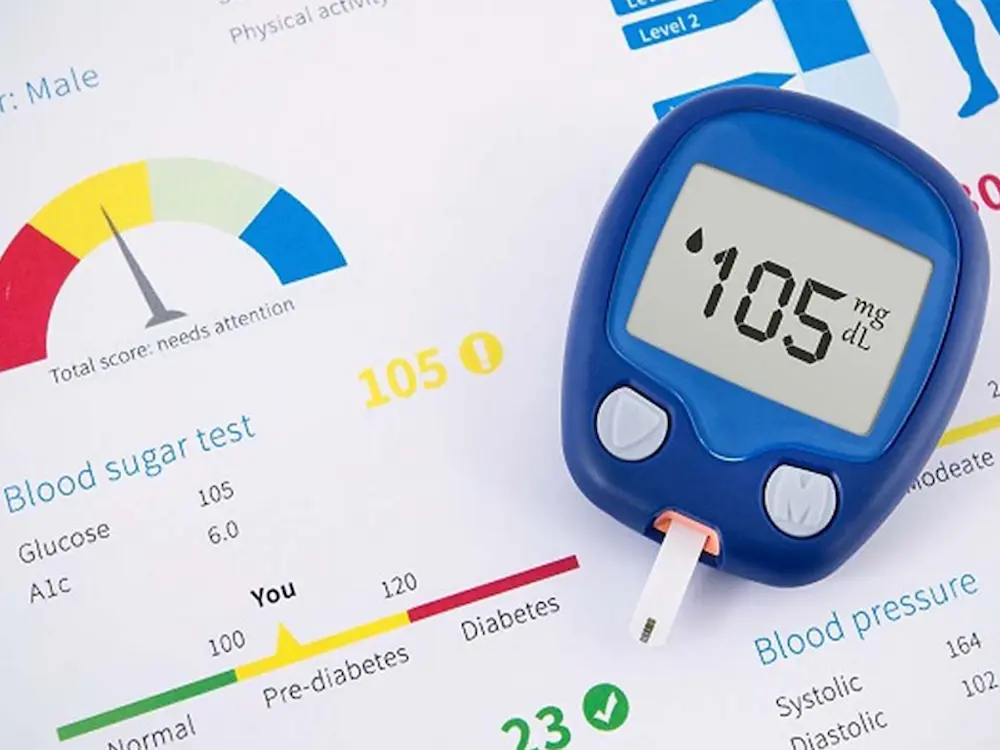
Normal blood sugar ranges play a key role in diagnosing diabetes. In healthy individuals, fasting blood sugar levels are typically between 70 and 99 mg/dL. Levels between 100 and 125 mg/dL indicate prediabetes, while levels above 126 mg/dL suggest diabetes.
In the oral glucose tolerance test (OGTT), if blood sugar two hours after drinking the glucose solution is below 140 mg/dL, it is considered normal. Levels between 140 and 199 mg/dL indicate prediabetes, and levels of 200 mg/dL or higher are diagnostic of diabetes. In a random blood sugar test, a level above 200 mg/dL can also point to diabetes. It is important to note that factors such as stress, smoking, certain medications, and intense physical activity can affect test results.
What is “Silent Diabetes”?
Type 2 diabetes is sometimes called “silent diabetes”, because many people are unaware they have the disease. Symptoms of Type 2 diabetes may be mild or overlap with signs of aging, making diagnosis more difficult. Silent diabetes refers to cases where symptoms are absent or so mild that the patient may remain undiagnosed until the disease reaches more advanced stages.

What is Stress-Induced Diabetes?
Stress-induced diabetes occurs when stress and anxiety cause blood sugar levels to rise in patients who already have diabetes. This happens even when their blood sugar is normally controlled with medication. Symptoms can include a combination of diabetes-related signs and stress symptoms, such as:
- Headache
- Hot flashes
- Palpitations
- Excessive thirst
- Dry mouth
- Frequent urination
In some cases, stress-induced diabetes may even lead to low blood sugar in patients with Type 1 diabetes.
How is Diabetes Diagnosed?
Doctors use a set of laboratory tests to measure glucose levels in the blood in order to confirm the presence of diabetes and determine its stage. The most common tests include:
- Fasting Blood Glucose (FBS)
- Normal: Less than 100 mg/dL (5.6 mmol/L) after at least 8 hours of fasting.
- Prediabetes: 100–125 mg/dL (5.6–6.9 mmol/L)
- Diabetes: 126 mg/dL (7 mmol/L) or higher
- Random Blood Glucose
- This test is performed at any time, regardless of the last meal. A level above 200 mg/dL (11.1 mmol/L) suggests diabetes.
- Hemoglobin A1c (HbA1c)
- This test shows the average blood glucose level over the past 2–3 months and does not require fasting.
- Normal: Less than 5.7%
- Prediabetes: 5.7–6.4%
- Diabetes: 6.5% or higher
These results help doctors make a precise diagnosis and design an appropriate treatment plan.
Symptoms of Diabetes
The symptoms of diabetes vary depending on the type and the level of elevated blood sugar. In Type 1 diabetes, symptoms usually appear suddenly and severely. In Type 2 diabetes and prediabetes, signs may develop more gradually and be less noticeable. Some people with early-stage Type 2 diabetes or prediabetes may show no clear symptoms at all.
Common symptoms of diabetes include:
- Excessive thirst (polydipsia)
- Frequent urination, especially at night (polyuria)
- Unexplained weight loss
- Fatigue and low energy
- Blurred vision
- Slow healing of wounds
- Increased infections (oral, skin, genital)
- Ketones in the urine (more common in Type 1)
- Dry, cracked skin
- Constant hunger (polyphagia)
If you experience any of these symptoms, you should consult a doctor and undergo the necessary blood tests.
Causes of Diabetes
The causes of Type 1 and Type 2 diabetes are influenced by both genetic and environmental factors.
- Type 1 Diabetes Causes
Type 1 diabetes is an autoimmune disease that usually develops due to factors such as genetics, environmental triggers like certain viruses, or immune system disorders. In this condition, the body’s immune system mistakenly attacks the insulin-producing cells in the pancreas.
- Type 2 Diabetes Causes
Multiple risk factors can contribute, including:
- Genetics
- Overweight and obesity
- Physical inactivity
- Insulin resistance
- Unhealthy diet (high in calories and carbohydrates)
- Long-term use of certain medications (e.g., corticosteroids)
- Conditions such as high blood pressure
These factors can lead to insulin resistance and elevated blood sugar levels.
Controlling and Treating Diabetes
While medications play an important role in controlling blood sugar, long-term success largely depends on lifestyle changes.
Key pillars of diabetes management include:
- A proper diet
- Regular exercise
- Weight loss (if overweight or obese)
- Ongoing awareness and Education
- Medications when needed

Exercise
At least 150 minutes of moderate-intensity aerobic activity per week, spread over three days, is recommended. Exercise helps improve insulin sensitivity and lower blood sugar, though patients must be cautious about hypoglycemia and consult their doctor before starting a routine.
Education
Patients should be well informed about diabetes, its complications, and the importance of diet and exercise. Learning how to monitor blood sugar and correctly use medications is crucial. Smoking should be completely avoided, and alcohol intake minimized or eliminated.
Importance of Diet in Diabetes Control
A well-balanced diet is essential for managing diabetes. It helps regulate blood sugar, prevent complications, maintain a healthy weight, and improve quality of life.
Diet plans should be tailored individually, but generally include:
- Limiting simple carbohydrates and saturated fats
- Avoiding processed foods
- Eating more high-fiber foods (vegetables, legumes, whole grains)
In diabetic patients who use insulin, carefully managing the diet is particularly important to prevent low blood sugar (hypoglycemia). In these cases, monitoring carbohydrate intake and adjusting it according to the prescribed insulin dose must be done precisely. One common method for this is the “carbohydrate counting” technique, where the patient calculates the exact amount of carbohydrates in each meal and adjusts their insulin dose accordingly
Additionally, including high-quality protein sources and healthy fats, such as olive oil and nuts, while limiting carbohydrate intake, helps maintain stable blood sugar levels and increases the feeling of fullness.
Weight Loss in Diabetes
For overweight or obese patients, weight loss is one of the most effective ways to manage Type 2 diabetes. Even a 5–10% reduction in body weight can significantly improve insulin sensitivity, lower blood sugar, and reduce the need for medication.
Obesity not only increases insulin resistance but also raises the risk of cardiovascular diseases, high blood pressure, and metabolic disorders.
In cases where diet and exercise fail, and BMI remains high, bariatric or metabolic surgery may be recommended under medical supervision. However, opting for this approach requires careful medical evaluation and long-term follow-up.

Medications for Diabetes
When lifestyle changes are not enough, oral medications are used to manage blood sugar. These include:
- Alpha-Glucosidase Inhibitors: These drugs inhibit the breakdown of starches and other complex carbohydrates, primarily found in foods such as rice, potatoes, and bread, thereby preventing the production of glucose. Common drugs in this class include acarbose and miglitol. The most frequently reported side effects are bloating and diarrhea.
- Biguanides: Biguanides reduce hepatic glucose production and enhance insulin receptors sensitivity, improving glucose uptake by cells. Metformin is the most widely used drug in this class. Common adverse effects include gastrointestinal disturbances, particularly diarrhea.
- Dipeptidyl Peptidase-4 (DPP-4) Inhibitors: These medications prevent the degradation of GLP-1, a hormone that lowers blood glucose levels but is rapidly inactivated in the body. By inhibiting DPP-4, these drugs prolong the activity of GLP-1, enhancing glycemic control. Notable drugs in this category include linagliptin and sitagliptin, with common side effects including headache and gastrointestinal discomfort.
- Meglitinides: This class of drugs stimulates insulin secretion from the pancreas, thereby reducing blood glucose levels. Repaglinide is the most commonly prescribed drug in this group. Hypoglycemia is the primary adverse effect associated with meglitinides.
- Sodium-Glucose Cotransporter 2 (SGLT2) Inhibitors: These drugs lower blood glucose by promoting its excretion via the kidneys. Empagliflozin is a prominent drug in this class. The main side effects include urinary and genital tract infections, with a rare but serious risk of diabetic ketoacidosis.
- Sulfonylureas: These medications increase insulin release from the pancreas. Glipizide is a commonly used sulfonylurea. A significant risk of this class is hypoglycemia due to excessive insulin secretion.
- Thiazolidinediones: Drugs in this class reduce hepatic glucose production and enhance insulin sensitivity. Pioglitazone is the most widely prescribed drug of this class. Potential adverse effects include an increased risk of heart failure in susceptible patients.
Diabetes Complications
If left uncontrolled, diabetes can cause severe, sometimes life-threatening complications:
- Cardiovascular: heart attack, angina, arterial narrowing
- Neuropathy: nerve damage in legs/feet, numbness, burning, and slow-healing wounds; in severe cases, this may lead to amputation.
- Nephropathy: kidney damage, risk of kidney failure
- Retinopathy: damage to the retina, vision loss, blindness
- Skin: increased bacterial/fungal infections
- Hearing: Some studies report hearing loss, possibly due to damage to the auditory nerve.
- Brain: higher risk of Alzheimer’s and depression
- Digestive issues: Issues such as constipation, diarrhea, or delayed gastric emptying.
- Sexual health: Sexual dysfunction and reduced libido.
Prevention of these complications requires regular medical check-ups, tight glycemic control, adherence to a healthy diet, and maintenance of a healthy lifestyle.
Preventing Diabetes
Diabetes is a chronic and prevalent disease that, if not properly managed, can lead to serious complications such as kidney failure, cardiovascular disease, and vision disorders. While some risk factors, such as age, genetics, and family history, cannot be modified, lifestyle interventions can significantly reduce the risk of developing diabetes.
Key preventive strategies include:
- Healthy, balanced diet
- Regular exercise (at least 30 minutes daily)
- Maintaining a normal weight
- Avoiding smoking
- Routine check-ups and screenings
Studies indicate that only 30 minutes of daily exercise can reduce the risk of developing Type 2 Diabetes by up to 50%, highlighting that prevention is more effective than treatment.
Final Thoughts
By now, you should have a clear understanding of diabetes. This article is for educational and informational purposes only. If you experience any specific symptoms or have concerns about your risk of developing diabetes, it is strongly recommended that you consult a healthcare professional and undergo the necessary tests to determine your condition.
For any questions, please leave a comment, and our specialists will respond promptly.


